
A car vacuum leak occurs when unmetered air enters the engine’s intake system after the mass airflow sensor, causing the engine control unit to struggle with maintaining the correct air-fuel mixture. This condition typically manifests as a rough idle, poor acceleration, or a check engine light. Because the engine isn’t designed to process this extra air, the combustion process becomes unbalanced, leading to a lean condition that compromises performance and fuel efficiency.
Key Takeaways
- Inspect all rubber vacuum hoses for cracks, dry rot, or disconnection as these are the most common failure points.
- Listen for a distinct hissing sound while the engine is idling to pinpoint the location of the leak.
- Use a scan tool to check for P0171 or P0174 codes, which indicate a lean fuel system condition.
- Address leaks promptly to prevent long-term damage to the catalytic converter and internal engine components.
- Perform a smoke test if visual inspection and listening don’t reveal the source of the vacuum leak.
What Is A Car Vacuum Leak?
At its core, a car vacuum leak is a breach in the integrity of the intake manifold system. Modern vehicles rely on a precise ratio of air to fuel to ensure clean and efficient combustion. The engine control module (ECM) calculates how much fuel to inject based on the volume of air entering through the intake.
When a hose cracks or a gasket fails, additional air slips into the engine that the sensors didn’t account for. This unmetered air forces the computer to overcompensate, which leads to the erratic behavior often associated with vacuum-related problems.
Common Symptoms Of Leaks
Identifying a leak early can save you from expensive repairs. When the air-fuel ratio is disrupted, the vehicle will exhibit several recognizable behaviors. A rough idle is the most frequent symptom, where the engine vibrates noticeably or fluctuates in RPM while stopped.
You may also experience a hesitation during acceleration, as the engine temporarily lacks the necessary fuel to match the sudden influx of air. If the issue persists, the computer will trigger the check engine light to alert the driver of a system imbalance.
| Symptom | Severity | Potential Impact |
|---|---|---|
| Check Engine Light | Moderate | Emissions failure |
| Rough Idle | Low | Annoyance/Wear |
| Poor Acceleration | High | Safety risk |
| Engine Misfires | Critical | Internal damage |
Why Does This Happen?
Most vacuum leaks are the result of the harsh environment under the hood. Rubber components are subjected to extreme heat cycles, which eventually cause the material to lose its flexibility and become brittle. Over time, these rubber hoses develop hairline cracks that are difficult to see with the naked eye.
Additionally, the gaskets that seal the intake manifold to the engine block can shrink or deteriorate, creating a path for air to escape or enter. Plastic components, such as intake boots or PCV valves, can also crack due to vibration or accidental impact during routine maintenance.
How To Find The Leak
Locating a vacuum leak requires a methodical approach. Start by performing a visual inspection of all visible vacuum lines. Look for signs of dry rot or fraying near the connectors.
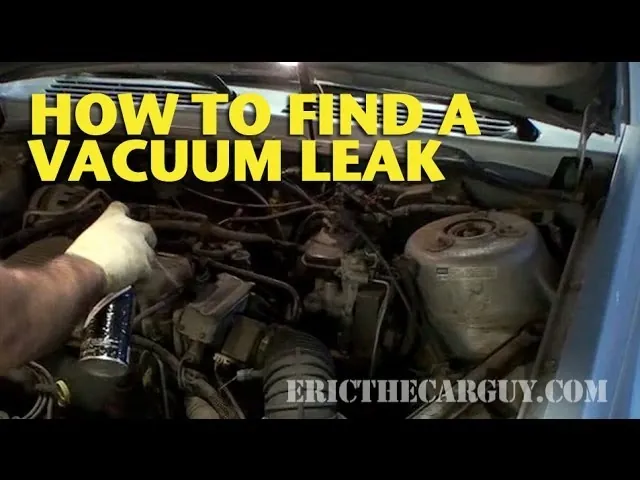
If the visual check yields nothing, use a spray bottle with a fine mist of water or a specialized intake cleaner to lightly spray around intake gaskets and hoses while the engine is idling. If the engine RPM changes, you have likely found the area where the vacuum leak is pulling the mist inside.
Warning: Never use flammable liquids like starting fluid or gasoline to test for leaks, as the heat from the engine could ignite the vapors and cause a dangerous fire.
Essential Tools For Diagnosis
To diagnose a leak effectively, you don’t need a full professional shop, but a few specific tools will make the process much easier. An OBD-II scanner is the first piece of equipment you should use, as it allows you to read fault codes and view live data.
A smoke machine is the gold standard for finding elusive leaks; it pumps pressurized smoke into the intake system, forcing it to escape through any holes or cracks, making the source of the leak immediately visible.
What Is The Repair Cost?
The cost of fixing a vacuum leak depends heavily on the component that has failed. If the issue is a simple rubber hose, the parts cost is minimal, typically between $10 and $50. However, if the leak is caused by a failed intake manifold gasket, the labor involved can increase the total significantly.
You can expect a professional shop to charge between $150 and $800 depending on the complexity of the engine layout and the time required to disassemble the intake assembly.
| Repair Type | Parts Cost Range | Labor Cost Range |
|---|---|---|
| Small Vacuum Hose | $10 – $30 | $50 – $150 |
| PCV Valve/Hose | $20 – $60 | $50 – $150 |
| Intake Manifold Gasket | $50 – $200 | $200 – $600 |
Can You Drive With A Leak?
Driving with a minor vacuum leak is technically possible for short distances, but it isn’t recommended. The engine is running in a lean state, which means the combustion chamber temperatures are higher than normal. This excessive heat can damage spark plugs, valves, and, in severe cases, the catalytic converter.
Step-By-Step Inspection Process
- Pop the hood and ensure the engine is cool enough to work around safely.
- Start the engine and allow it to reach its normal operating temperature.
- Listen carefully for a hissing sound originating from the intake area.
- Trace all rubber hoses from the intake manifold to their respective components.
- Check the intake boot between the air filter box and the throttle body for tears.
- Use a spray bottle to check for vacuum leaks by observing if the engine idle speed changes when mist is applied to specific areas.
- Check the PCV valve to ensure it’s seated correctly and not leaking air.
Why Is My Idle Erratic?
An erratic idle is a classic sign of a vacuum leak because the engine computer is constantly fighting to maintain a stable air-to-fuel ratio. As the engine cycles through its idle control routine, the leak provides a variable amount of air that the computer can’t perfectly predict. This results in the idle speed hunting up and down as the system tries to adjust fuel trim levels to compensate for the extra air intake.
Pro Tip: If you suspect a leak but can’t find it, check the underside of the intake hoses, as gravity often causes cracks to form on the bottom where they’re hidden from view.
Common Components That Fail
Several specific parts are notorious for causing vacuum leaks in modern vehicles. The PCV valve and its associated hoses are high-wear items that frequently crack or become clogged. The intake manifold gaskets are also prone to failure as they age, especially on high-mileage engines. Finally, the vacuum lines that operate power brake boosters or cruise control systems can become brittle and snap, leading to both engine performance issues and problems with vehicle accessories.
Professional Diagnostic Methods
When DIY methods fail, technicians employ advanced diagnostic techniques. A fuel trim analysis is a powerful method where a scanner is used to observe the Short Term and Long Term Fuel Trim percentages. If these values are significantly positive, it confirms that the computer is adding extra fuel to counteract a lean condition caused by a vacuum leak. This data allows a mechanic to confirm a leak exists even before they begin searching for the physical hole in the system.
Frequently Asked Questions
Will a vacuum leak cause a car to stall?
Yes, a severe vacuum leak can absolutely cause an engine to stall. If the leak is large enough, the engine can’t maintain the minimum air-fuel ratio required to keep the cylinders firing at idle speeds. This often happens when coming to a stop or when the engine is under a light load, as the lack of vacuum pressure causes the engine to starve for fuel control.
Can a vacuum leak cause poor gas mileage?
A vacuum leak typically causes poor fuel economy because the engine computer increases the fuel injector pulse width to compensate for the extra air. By adding more fuel to balance the lean condition, the engine burns more gasoline than necessary to maintain power. This inefficiency is a common reason why drivers notice a sudden drop in their miles-per-gallon rating before other symptoms appear.
Is a vacuum leak the same as an exhaust leak?
No, a vacuum leak and an exhaust leak are fundamentally different. A vacuum leak occurs before combustion, where air is sucked into the engine intake. An exhaust leak occurs after combustion, where gases escape from the engine through holes in the exhaust manifold or piping. While both can trigger a check engine light, they affect engine performance in distinct ways and require very different diagnostic steps.
Should I replace all vacuum hoses at once?
If your vehicle has high mileage and one hose has failed due to dry rot, it’s often a good idea to replace the others. Rubber hoses of the same age are likely experiencing similar levels of degradation. Replacing them all at once can prevent future leaks and provide peace of mind, as you won’t have to repeat the diagnostic process for a different hose next month.
Can a vacuum leak damage my engine?
Long-term exposure to a vacuum leak can lead to internal engine damage. The lean condition raises combustion temperatures, which can cause premature wear on piston rings, valves, and spark plugs. Furthermore, the excess heat can cause the catalytic converter to overheat and melt its internal structure, which is a very expensive repair. Addressing a vacuum leak promptly is essential to preserving the overall health of your engine.
Conclusion
If you suspect your vehicle has a vacuum leak, the best next step is to obtain an OBD-II scanner to pull any pending or active error codes. Once you have the specific codes, perform a visual inspection of your engine bay, focusing on rubber hoses and plastic intake components. If you can’t locate the source, consult a qualified mechanic to perform a professional smoke test to pinpoint the failure.