
Emptying a Dyson vacuum bin is done by releasing the latch on the clear canister while holding it over a trash bag.
Items needed to empty your Dyson vacuum
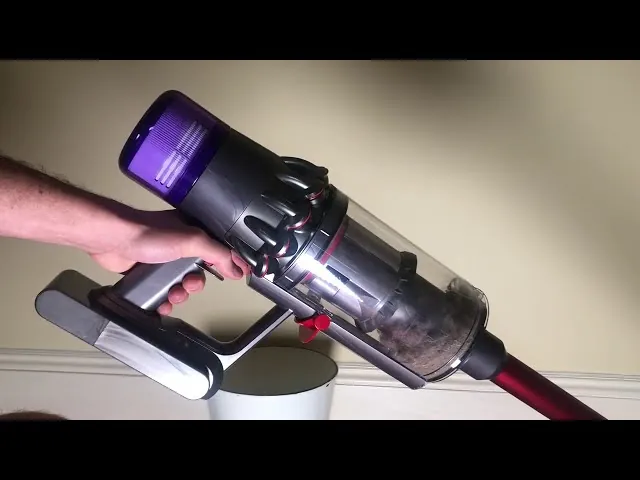
To keep your machine running smoothly, you only need a few basic items. Having these ready prevents you from making unnecessary messes during the cleaning process.
- A large kitchen trash bag to catch loose dust.
- A soft, dry microfiber cloth to wipe the inside of the bin.
- Compressed air or a soft brush for cleaning the cyclone shroud.
- Access to a sink with warm water, but only if you’re washing the bin.
- A clean, dry workspace where you can safely set the vacuum down.
You don’t need any special chemicals or cleaning agents for this job. Using harsh soaps or detergents can damage the plastic parts of the canister. If you see a cloudy residue on the plastic, it’s likely a buildup of fine dust rather than a stain; stick to dry wiping to avoid creating a paste that clogs the cyclone vents.
If you must use water, limit the soak to the clear bin only. Never submerge the cyclone assembly, as the internal seals aren’t designed to be waterproof. If water enters the cyclone, it can trap debris and cause a permanent loss of suction.
Reattaching a damp bin forces moisture into the motor housing. This creates a high risk of short-circuiting the electrical contacts, which usually voids your manufacturer warranty. Always allow at least 24 hours of air drying in a well-ventilated area to ensure total evaporation.
Steps to Clear Your Canister
- Disconnect the wand from the vacuum body by pressing the release button.
- Hold the vacuum over your trash bag with the clear bin pointing downward.
- Push the red bin release lever downward in one smooth motion.
- Watch as the base opens and the debris falls into your bag.
- Push the bin base up until it clicks securely back into the closed position.
- Wipe the exterior of the clear bin with your dry microfiber cloth if dust clings to the sides.
- Reconnect the wand to the main body until you hear a click.
Careful: Don’t force the red lever if it feels stuck, as this can break the plastic latch mechanism. If it doesn’t open easily, check for large items like coins or hair clumps lodged near the top of the cyclone.
Tip: If you have allergies, ask someone else to empty the bin for you or do it outside to avoid breathing in the fine dust clouds that escape during the process.
How Situations Change the Effort
The amount of effort you put into this task depends on how often you clean and what kind of mess you’re picking up. Small, frequent empties are easier than waiting until the bin is packed tight.
| Situation | Time Needed | Difference | What to Watch |
|---|---|---|---|
| Regular dust | 30 seconds | Very fast | Check the max line |
| Pet hair | 1 minute | Requires a pull | Hair tangles in shroud |
| Fine drywall dust | 2 minutes | Needs wiping | Filters may clog too |
| Very full bin | 1 minute | Harder to latch | Check the rubber seal |
Empty the bin once the debris reaches the halfway mark if you’re vacuuming heavy construction debris. This prevents the weight of the material from straining the latch mechanism during the release. If you wait until the bin is full, the increased pressure can warp the plastic housing over time.
Pet owners should prioritize emptying the bin after every session regardless of volume. Hair creates a dense mat that bridges across the cyclone shroud. If you leave this mat inside, it restricts airflow and causes the motor to run hotter than intended. You can tell if this is happening by a sudden change in the pitch of the motor.
Always inspect the rubber seal at the base of the canister before closing it. If a stray piece of grit prevents a tight seal, the vacuum will lose suction immediately. If the bin refuses to latch, don’t force it. Instead, clear the debris from the hinge and check for small obstructions that might have fallen into the locking groove.
Confirming a Successful Clean
A good result means the bin base snaps shut tightly and there’s no dust visible on the outside of the canister. When you start the vacuum again, the motor should sound smooth and the suction should feel strong. If you notice a rattling sound or a whistling noise, it usually means the bin isn’t clicked into place correctly or the rubber seal is misaligned.
If the bin remains cloudy after you empty it, this is a normal result of static electricity and fine dust particles. You can prevent this buildup by wiping the inside with a dry cloth, but avoid using water unless you’re doing a full wash. A poor result happens when you leave the seal dirty, which prevents an airtight fit and leads to a loss of suction.
Test the seal by holding a thin piece of tissue near the seam while the vacuum runs. If the tissue pulls toward the gap, your seal is compromised and requires immediate cleaning. Never use harsh solvents on the rubber gaskets, as these chemicals degrade the material and cause permanent air leaks.
If the vacuum still loses power, check for a fine layer of dust trapped in the cyclone shroud. Users often mistake this internal blockage for a motor failure. If you see debris there, use a soft-bristled brush to clear the path before you restart the machine.
Rules and Proper Care
Never submerge the electronic housing or the motor assembly in water. Even a single drop of moisture inside the intake can cause a short circuit that permanently fries the motherboard. Only the clear plastic bin canister should be washed under the tap.
You must let that canister air dry for at least 24 hours before reassembly. If you live in a humid climate, wait until the plastic feels room temperature to the touch rather than cool, which signals lingering condensation. Trapping moisture inside the machine promotes mold growth and ruins the filter.
Check the rubber seal on the bin base for hairline cracks or grit if suction feels weak. A gap smaller than a millimeter is enough to bleed pressure and kill performance. If you see debris, wipe it with a dry microfiber cloth. If the rubber is cracked, you must order a replacement part from the manufacturer.
Don’t attempt to grease the seal with household lubricants, as these attract dust and accelerate decay. For motor issues or internal electrical faults, contact a professional service center. Attempting to open the motor housing yourself will void your warranty and risks a dangerous electrical shock. If the vacuum makes a high-pitched whistling sound, stop immediately; this indicates a blockage that will burn out the motor if ignored.
Different Ways to Manage Debris
Using a Bagless Vacuum Station
Some newer models come with a self-emptying base station. This saves you the time of manual emptying, as the vacuum automatically sucks the debris into a larger bag inside the dock. This is helpful for people with limited mobility or severe dust allergies.
Using a Secondary Filter
You can add a pre-motor filter if you deal with very fine dust often. This keeps the bin cleaner for longer, but it does require you to wash the filter more frequently. This changes the maintenance schedule from a monthly task to a bi-weekly one.
Professional Cleaning Services
If you can’t manage the maintenance yourself, some local appliance repair shops offer cleaning services. They will deep clean the cyclones and the bin for a fee. This is a good option if your vacuum has lost significant suction and you don’t want to risk damaging the internal parts.
Frequently asked questions
How often should I empty my dyson vacuum?
You should empty the bin whenever the debris reaches the “max” line on the clear canister. If you wait until it’s overfilled, you risk clogging the cyclone and reducing the suction power of your machine.
Is it safe to wash the bin with water?
Yes, you can wash the clear bin with cool water, but you must remove it from the machine first. Ensure it is 100% dry before you reattach it, as any moisture inside the vacuum can damage the motor.
Why does my vacuum have low suction after emptying?
Low suction after emptying usually means the bin isn’t snapped fully into the closed position. Check the rubber seal for trapped debris or hair that might be preventing an airtight fit.
Can I use soap to clean the bin?
No, you should avoid using soap or detergents when cleaning the bin. Plain water is sufficient to remove dust, and harsh chemicals can degrade the plastic or damage the rubber seals over time.
What happens if I get the motor wet?
If water enters the motor housing, stop using the machine immediately and contact the manufacturer for support.
How long does a bin last before needing replacement?
A bin typically lasts for the entire life of the vacuum if you handle it with care. You only need to replace it if you crack the plastic or if the latch mechanism breaks beyond repair.
Conclusion
Keeping your canister clean is the easiest way to ensure your vacuum lasts for many years. When you empty it regularly and keep the seals free of dust, you maintain the strong suction you expect from your machine. Always treat the plastic parts gently during the cleaning process to prevent accidental damage.