
You can fix a shark vacuum not sucking by clearing the airway blockages that stop airflow. Most suction loss comes from debris caught in the hose, the floor nozzle, or the filter system. You should check these areas immediately to restore power. If the motor sounds loud but the brush roll doesn’t turn, the problem is likely a physical obstruction rather than a failed internal component.
Preventing further shark vacuum suction issues
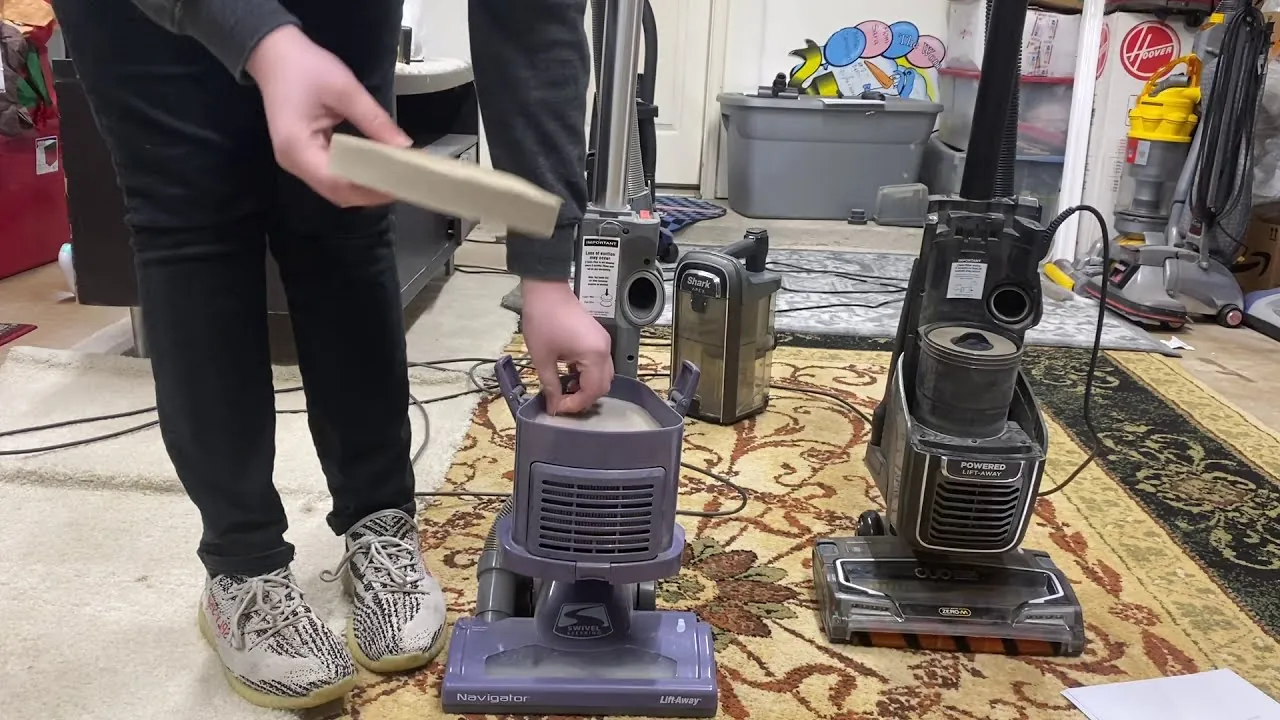
Turn the power switch to the off position and unplug the power cord from the wall outlet. Never rely on the switch alone; a short circuit can trigger the motor even when the unit appears inactive.
Detach the floor nozzle or the handheld canister from the main wand to isolate the parts. If the vacuum has a motorized brush roll, remove it entirely to prevent accidental activation during the inspection.
Check the hose and the wand by looking through them toward a bright light source. If you can’t see light at the other end, a blockage exists. Use a long, flexible broom handle to gently push the obstruction out. Avoid using sharp metal objects like screwdrivers, as these can easily puncture the corrugated plastic lining of the hose.
Remove any visible hair, carpet fibers, or large debris clumps by hand or with a dull tool.
Why suction loss happens
A vacuum cleaner relies on a continuous path of moving air to lift dust from your floors into the collection bin. When this path becomes restricted, the internal fan can’t move enough air to create the pressure difference needed for suction. The most common cause is a physical blockage in the narrowest parts of the unit, such as the neck of the floor head or the flexible hose.
Check for obstructions by detaching the hose and holding it up to a light source. If you can’t see clearly through the entire length, a coin, a clump of pet hair, or a small toy is likely lodged inside. Use a broom handle or a long, blunt object to push the debris through rather than pulling it, as dragging sharp items backward can puncture the corrugated plastic lining of the hose.
Another frequent cause involves the filtration system. Shark vacuums use multi-stage filters to protect the motor from fine dust. If these filters become saturated with dirt or aren’t seated correctly, they create resistance.
The motor then struggles to pull air through the system, which makes the unit sound strained or causes it to shut off to prevent overheating. If you notice a high-pitched whistling sound, it often indicates an air leak or a blockage that’s forcing the motor to work harder than its design allows.
Many users mistakenly assume that rinsing a filter on a set schedule is sufficient. If you have pets or high-traffic carpeted areas, you must wash the pre-motor foam filters based on your specific usage and consult the owner’s manual for the recommended frequency, allowing them to air dry completely. Placing a damp filter back into the housing is a common error that restricts airflow and can promote mold growth.
If the filters are dry and the path is clear, inspect the brush roll for tangled hair or threads. A brush roll that can’t spin freely creates drag, which the vacuum’s internal sensors interpret as a clog.
If the problem persists after clearing the path and cleaning the filters, the issue might be a worn-out belt or a failing motor. In these cases, the vacuum will often lose power intermittently before failing entirely, signaling that it’s time for a professional inspection.
Inspecting your vacuum parts
You should start with the easiest, cheapest checks before moving to components that might require replacement.
Check the dust cup
Empty the container completely and look at the mesh screen inside. If this screen is coated in fine dust or hair, the air can’t pass through to the filter. Shake or brush the screen to ensure it’s clear.
Check the hose
Remove the hose from the vacuum and stretch it out straight. Use a long, flexible tool or a broom handle to push any stuck debris out of the tube.
Inspect the filters
Remove the foam and felt filters from their housing. If they look grey or feel stiff, wash them with cool water and let them air dry for 24 hours.
Check the floor nozzle
Flip the nozzle over and look at the brush roll. Cut away any hair wrapped around the bristles using a pair of scissors.
Inspect the wand
Detach the wand and check for clogs at the base where it connects to the floor head. Small objects like coins or plastic toys often get stuck here.
Restoring proper airflow
To fix the suction, start by ensuring the dust cup is snapped firmly into its base. If the seal between the cup and the main body is loose, air will escape before it reaches the filter. Check the gasket for debris; even a single grain of sand can prevent a flush fit, causing a total loss of pressure.
Next, verify that the hose isn’t kinked or split. A crack as small as a pinprick ruins the vacuum’s ability to create a seal. If you find a tear, you must replace the part. Attempting to tape it fails because high internal pressure will cause the adhesive to peel within minutes.
Once you have cleared all blockages, ensure the filters are clicked securely into their designated slots. A filter that’s loose allows dust to bypass the cleaning stage and clog the motor fan. If you feel a fine mist of dust exiting the exhaust port while the vacuum runs, your filter housing is misaligned.
After reassembling the unit, plug it in and turn it on while holding your hand near the intake to feel for strong airflow. If the suction feels powerful again, the fix has held. If the suction remains weak or the unit cuts out after a few minutes, there may be a deeper mechanical failure.
If the motor sounds high-pitched or strained despite clear paths, the internal fan is likely obstructed by fine silt. In this case, professional service is required to prevent the motor from burning out entirely.
Knowing when to stop
If you have cleared all visible blockages and cleaned the filters but the vacuum still fails to pick up debris, the problem likely lies within the sealed motor housing. You should stop attempting repairs if you need to remove screws to access the motor or the internal wiring. Opening the motor housing can be dangerous, as electrical components like capacitors can hold a lethal charge even when the unit is unplugged.
If you see a burning smell or notice smoke, stop immediately. These signs indicate that the motor windings are overheating, and further operation will cause permanent damage to the circuit board. You can’t fix a burnt motor with simple tools, and attempting to do so often leads to a total loss of the appliance.
Take the unit to a certified service center or contact the manufacturer’s support line if the issue persists after your basic maintenance. When you call them, be ready to describe whether the brush roll spins and if you hear any unusual grinding noises. These details help technicians identify if the failure is in the belt drive, the motor bearings, or the electronic control board.
Don’t attempt to bypass safety switches or internal fuses, as this voids your warranty and creates a fire hazard. If the unit is still within its warranty window, any unauthorized tampering will disqualify you from a free replacement.
Frequently asked questions
How long should shark filters last?
Shark filters typically last between 6 to 12 months with regular washing and proper drying. You should check the condition of the filters every time you empty the dust cup, as heavy use in a home with pets or thick carpet will cause them to clog faster. If the foam has lost its shape or the felt has started to fray, it’s time to buy a new set.
Is it safe to use the vacuum without a filter?
No, it isn’t safe to use the vacuum without a filter because it allows dust to enter the motor and damage the fan. Running the machine without filters will shorten the lifespan of the motor and may void your warranty. Always ensure the filters are clean and properly installed before you switch the power on for any cleaning task.
Why does my shark vacuum smell like burning?
A burning smell usually means that the brush roll is jammed and the motor is overheating. Turn the machine off immediately and check the floor nozzle for wrapped hair or debris that prevents the roll from spinning. If the belt has melted or the motor itself is emitting the odor, stop using the device and contact a professional technician for a safety assessment.
Can I wash the shark vacuum hose?
You can wash the hose with warm water, but you must ensure it is 100% dry before you attach it back to the machine. Any trapped moisture will collect dust, turn into mud, and create a permanent clog inside the tube. Hang the hose in a vertical position for at least 24 hours to allow all water to drip out and evaporate completely.
Does it matter if the vacuum is plugged into an extension cord?
It doesn’t matter for suction, but using a long or thin extension cord can cause a voltage drop that makes the motor run poorly. Always plug the vacuum directly into a wall outlet to ensure it receives the full power required for the motor to reach its rated speed. If you must use an extension cord, ensure it’s a heavy-duty model rated for the specific wattage of your vacuum.
How often should I clear the brush roll?
You should clear the brush roll every 2 to 4 weeks depending on how much hair and fiber accumulates on your floors. If you have long hair or pets, check the roll more often to prevent the buildup from putting extra strain on the motor. A clean brush roll allows the vacuum to agitate the carpet effectively, which is essential for deep cleaning performance.
Conclusion
The most common mistake owners make is failing to dry the filters completely after washing them. If you put a damp filter back into the vacuum, it restricts airflow and can lead to mold growth or motor strain. Always verify that the filters feel bone-dry to the touch before you put them back in.