
A vacuum beater bar is a rotating brush roll found inside the floor nozzle of an upright or canister vacuum cleaner designed to agitate carpet fibers. This component uses stiff bristles or rubber fins to lift dirt, pet hair, and debris from deep within the carpet pile so the suction motor can pull them into the bin. It’s a critical part for cleaning rugs, but it can damage delicate surfaces if the rotation speed is too high or the brushes are too abrasive.
How to operate your vacuum beater bar
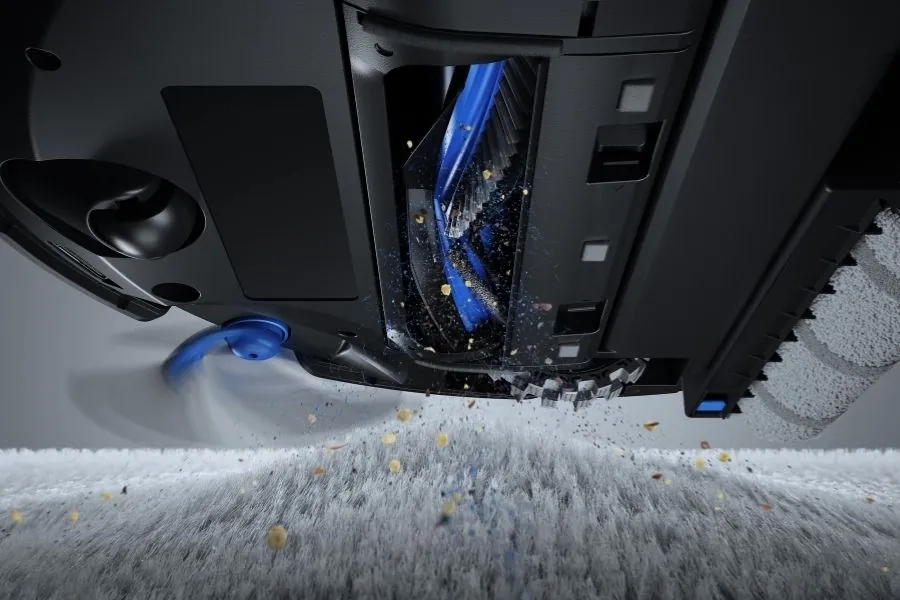
You can identify the beater bar by looking at the underside of your vacuum head. It’s the long, horizontal cylinder that spins rapidly while the machine is powered on.
Check if your vacuum has a height adjustment dial to change the distance between the bar and the floor. If you’re cleaning thick, high-pile rugs, set the dial to the highest position to prevent the motor from stalling. On low-pile carpet, use the lowest setting to ensure the bristles reach deep into the fibers.
Turn off the beater bar rotation when moving from carpet to hard floors to prevent scratching. If your vacuum lacks a manual switch, the bar is likely scraping your hardwood finish and scattering debris rather than picking it up.
Remove tangled hair from the bristles after every three or four uses to keep the bar spinning freely. A buildup of hair creates friction that burns out the drive belt. If the bar stops turning while the vacuum motor is still running, the belt has likely snapped or slipped.
Always use the “hard floor” setting to stop the bar if you have delicate wood or tile. If you’re unsure if your floor is safe, run your hand over the surface. If it feels smooth and prone to scuffs, keep the bar off.
Why the beater bar matters for carpet cleaning
The primary job of this bar is mechanical agitation, which is the process of physically vibrating carpet fibers to loosen trapped soil. Suction alone is often not enough to remove particles buried at the base of dense, high-pile carpets. By striking the carpet, the beater bar forces particles to the surface where the airflow can capture them. This method is the standard for deep cleaning.
The rotation speed is usually linked to the main motor, but it can vary based on the specific belt design of your unit. A stiff, densely packed brush roll provides more agitation for thick carpets. However, this same intensity poses a risk to delicate loop-pile carpets or expensive hand-woven rugs. If the bar is too aggressive, it can fray the fibers and cause the carpet to look worn or fuzzy after only a few months of regular vacuuming.
You must decide whether to engage the bar based on the floor type. If you’re cleaning high-traffic carpeted areas, you should use the highest agitation setting to ensure deep cleaning. If you’re cleaning delicate rugs or smooth surfaces like hardwood, you should disable the rotation entirely. This trade-off exists because maximum cleaning power on a soft surface often leads to surface damage, while maximum safety on hard floors means you lose the scrubbing action needed for rugs.
Check the pile height before you begin. If you can easily push a finger to the floor backing, the carpet is likely deep enough to require the bar. If the fibers are short and tight, the bar will likely catch and pull at the weave.
Many users make the mistake of leaving the bar on while transitioning to area rugs. This often causes the vacuum to “eat” the fringe or fray the edges. If your rug has tassels, stop the brush roll at least six inches before you reach the edge. Always prioritize the longevity of the weave over the speed of the cleaning process.
When the brush roll needs adjustment
| Situation | What changes | What to do instead |
|---|---|---|
| Hardwood floors | Scratching risk | Disable brush roll |
| High-pile carpet | Excessive resistance | Raise floor height |
| Very thin rugs | Fiber fraying | Use suction only |
| Pet hair buildup | Reduced airflow | Clean bristles manually |
| Worn vacuum belt | Slow rotation | Replace the belt |
If you hear a rhythmic thumping sound while vacuuming, your brush roll is likely uneven or obstructed. Check the height setting immediately. If the brush hits the floor too aggressively, it creates drag that burns out your drive belt in under six months.
On high-pile carpets, the rule is simple: if the vacuum feels like it’s fighting you, raise the height by one notch. If you can’t push the unit forward with one hand, you’re wearing down the motor.
For delicate area rugs, don’t rely on the height setting alone. If the rug edges lift or flutter, switch to a suction-only nozzle. You’ll know you have made the right choice when the rug stays flat against the floor.
People often mistake a clogged brush for a broken motor. Before buying parts, pull the brush roll out and check for wrapped hair. If the bristles don’t flick a piece of paper when you spin the roll by hand, the belt has lost its tension and must be replaced.
How to maintain your vacuum brush roll
Unplug the vacuum cleaner to ensure the power is completely disconnected before you touch the rotating parts. A live motor can engage unexpectedly, posing a serious risk to your fingers.
Flip the machine over to expose the floor nozzle and locate the beater bar. If your model features a removable base plate, use a flathead screwdriver to release the tabs. Don’t force the plastic, as brittle clips often snap under excess pressure.
Use a pair of scissors to carefully cut any long hair or threads wrapped around the cylinder. Aim for the groove running parallel to the bristles to avoid cutting the brush material itself. If you pull debris away too aggressively, you risk permanently flattening the bristles, which renders the vacuum unable to agitate carpet fibers effectively.
Check the drive belt on the side of the bar to ensure it isn’t cracked or loose. A belt that shows fraying or feels slack should be replaced immediately. If the belt is intact but the bar feels stiff, check the end caps for hair buildup.
Spin the bar with your hand to make sure it rotates smoothly without any grinding noise from the bearings. If you hear a metallic scraping, the bearings are likely worn and require a full roller replacement.
Snap the floor plate back into place and test the vacuum on a small, hidden patch of carpet. If you smell burning rubber, shut the unit off instantly; the belt is likely misaligned or slipping on the spindle.
Common mistakes that ruin your carpets
Vacuuming tassels on area rugs often pulls the fringe into the intake, where the rotating brush can shred delicate fibers or tear the rug’s binding. Always lift the nozzle over the edges or use a dedicated upholstery attachment to avoid this permanent damage.
Leaving the beater bar engaged while transitioning onto hardwood floors creates visible swirl marks. These microscopic scratches accumulate quickly, dulling the finish until the floor requires a professional sanding to restore its luster.
Ignoring a jammed brush roll is a common oversight that costs more than a simple repair. When hair or string binds the roll, the rubber belt generates intense friction heat. This often melts the belt or snaps it entirely, requiring a full disassembly to replace the internal components.
Using a stiff-bristle bar on delicate wool rugs accelerates fiber loss. If you notice fuzz collecting in your canister, your brush is likely too aggressive for the weave. Switch to a suction-only setting or a soft-bristle floor tool. If the rug feels dense and hand-knotted, avoid the rotating brush entirely to prevent the pile from thinning over time.
Frequently asked questions
Can I turn off the beater bar on my vacuum?
You can turn off the beater bar on most modern vacuums using a dedicated switch or “hard floor” setting. If your model lacks this, check your manual to see if it supports a “suction-only” mode. Manually removing the brush roll is a last resort for delicate floors.
Why does my vacuum brush roll stop spinning when it hits the carpet?
The brush roll stops spinning when the belt is loose or the height setting is too low for the carpet thickness. When the resistance from the carpet is higher than the grip of the belt, the belt will slip and the bar will stop. Adjust your vacuum to a higher setting and check the belt for signs of stretching or wear, replacing it if it feels loose to the touch.
Is it safe to use a beater bar on hardwood floors?
It isn’t safe to use a beater bar on hardwood floors because the stiff bristles or rubber fins can leave permanent scratches. The constant mechanical agitation is designed for carpet fibers, not for finished wood surfaces. Always disable the rotation when cleaning hard surfaces to protect the finish of your floors from unnecessary wear and tear.
How often should I clean the beater bar?
You should clean the beater bar every three or four times you vacuum your home to prevent hair buildup. If you have pets that shed heavily, check the bar more frequently, as hair tangles can reduce the suction efficiency of the entire machine. A clean bar spins faster and maintains better contact with the carpet, leading to a much deeper clean in less time.
Does the beater bar affect suction power?
The beater bar doesn’t change the suction power itself, but it significantly improves how much dirt is removed during a single pass. By loosening the debris that’s held tightly by carpet fibers, the bar makes the suction work more effectively. If the bar is clogged with hair or debris, the overall effectiveness of your vacuum will drop even if the suction motor is working perfectly.
What happens if I don’t clean the beater bar?
If you don’t clean the beater bar, the accumulation of hair and debris will eventually cause the bearings to seize or the drive belt to snap. A clogged brush roll creates extra friction, which forces the vacuum motor to work harder and may lead to overheating. Regular maintenance ensures the bar continues to agitate fibers properly and protects the internal components of your vacuum from excessive strain.
Conclusion
To keep your floors in great shape, check your machine’s manual to see if you can turn the brush roll off for hardwood or tile. It’s a simple switch that’ll protect your delicate surfaces from unnecessary wear. You’ll be glad you did when your home stays clean and your floors look brand-new.