
To clean your carpets effectively, you should fill the tank with hot tap water and the recommended amount of formula, then move the machine slowly in straight, overlapping passes. Balancing the water-to-solution ratio according to the specific model’s manual helps you learn how to use a bissell carpet cleaner to ensure proper suction and drying times. This method is best for homeowners who want to refresh high-traffic areas or remove light stains without hiring professional equipment.
Prepare your Bissell carpet cleaner
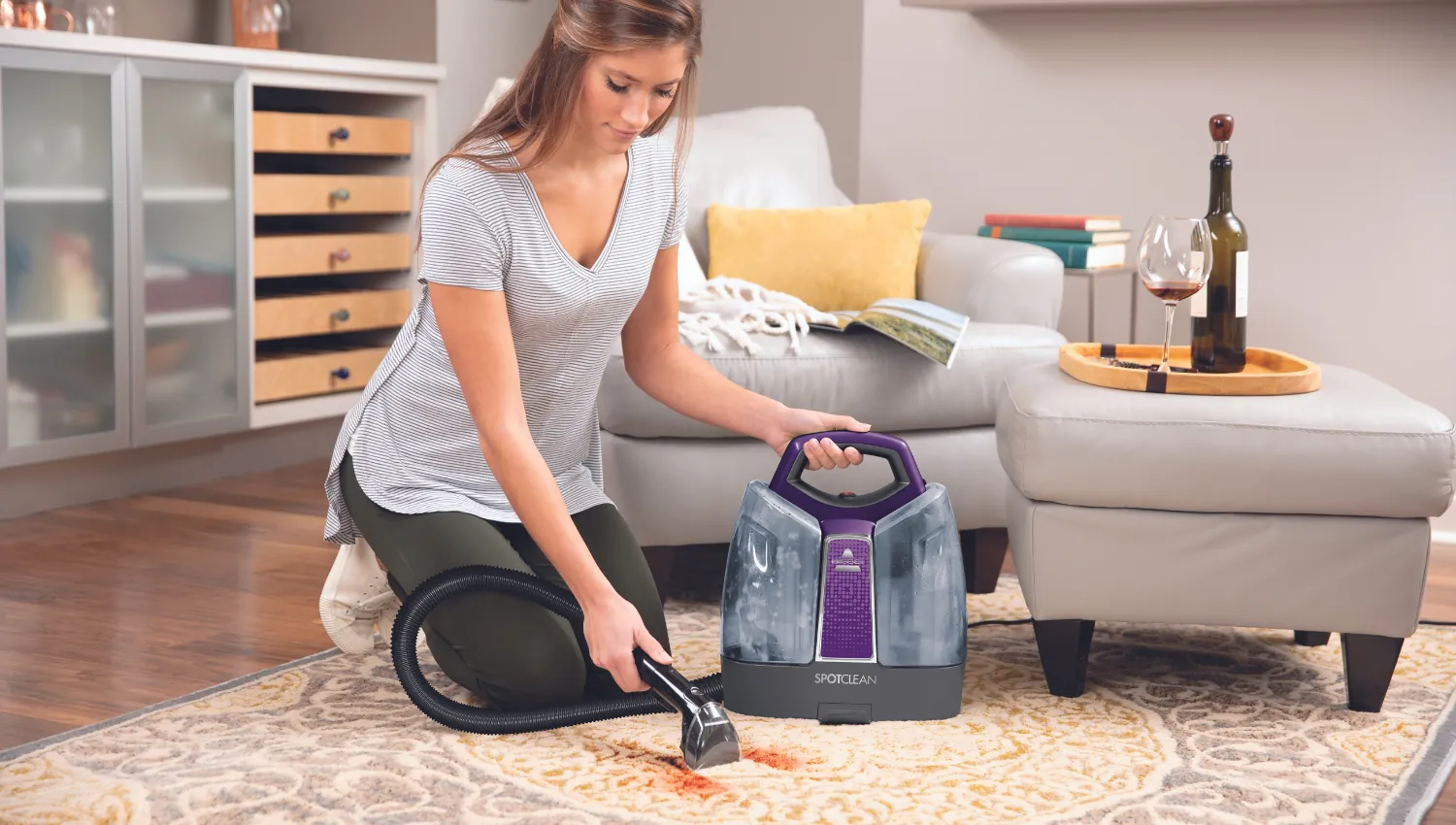
Before you start, gather the necessary items to ensure the process goes smoothly and safely. Using the right supplies helps protect your carpet fibers and keeps your machine running for years.
Bissell deep cleaning formula: Use only the brand-approved solution meant for your specific machine model. Generic cleaners often contain high wax content that leaves a sticky residue, which acts like a magnet for future dirt.
Hot tap water: Fill the clean water tank according to the lines marked on the plastic container. Use warm tap water as recommended by the manufacturer, but never use boiling water, which can warp internal plastic seals and damage carpet fibers.
Vacuum cleaner: A standard dry vacuum is necessary to remove loose dirt and debris before washing. If you skip this, the water turns dust into mud, which clogs the machine’s nozzle and leaves streaks.
Microfiber cloths: Keep these nearby to blot up any accidental spills or to scrub stubborn spots by hand. Avoid colored rags, as the dye can bleed into damp carpet fibers.
Furniture sliders: These protect your floor and make it easier to move heavy items. If you lack these, place squares of cardboard under the legs to prevent rust stains from metal feet.
Box fan or ceiling fan: You’ll need these to increase airflow and speed up the drying process. Aim for a dry time of under eight hours to prevent mildew growth.
If you have a specialized upholstery tool, keep it attached for stairs or furniture. Never use dish soap, laundry detergent, or vinegar in the tank. These create excessive foam that trips the float sensor and damages the internal pump. If you’re unsure about a specific cleaner, check the manufacturer’s support page for your model’s requirements. Professional cleaning services should be contacted if you’re dealing with large-scale water damage or mold.
Steps to operate your machine
Follow these steps to deep clean your carpets systematically. Always start in the corner farthest from the door so you don’t walk over the wet carpet.
- Vacuum the entire area: Remove all loose dust and pet hair to prevent mud from forming when the water hits the carpet.
- Move furniture out of the way: Clear the room completely to avoid damaging wood legs or fabric skirts with moisture.
- Prepare the cleaning solution: Fill the tank with hot water up to the “fill line” and add the amount of formula specified on the bottle label.
- Test for colorfastness: Apply a small amount of solution to an inconspicuous corner and blot with a white cloth to ensure the dye doesn’t bleed.
- Clean in slow, steady passes: Press the trigger to release the solution while pulling the machine backward, then release the trigger and pull the machine back again to suck up the liquid.
- Dry the carpet: Turn on a fan or open windows to ensure the fibers dry within 24 hours.
- Rinse the tanks: Empty the dirty water tank and rinse the clean water tank with warm water to prevent residue buildup.
- Clean the brush rolls: Remove any hair or threads wrapped around the brushes to keep them spinning freely.
Tip: If the carpet feels too wet, do an extra “dry pass” over the area without holding the trigger. Careful: Don’t over-saturate the carpet, as moisture trapped in the padding can lead to odors.
Adjusting for different cleaning needs
The time and effort required depend on the condition of your carpet and the amount of dirt present. Starting with a lighter concentration is better than using too much solution, which can leave a sticky residue that attracts more dirt later. If your carpet feels tacky to the touch after drying, you have used too much soap; rinse the area with plain water to neutralize the film.
| Situation | Time Required | Key Difference | Watch For |
|---|---|---|---|
| Light Refresh | 30 mins | Less formula used | Even, light moisture |
| Heavy Traffic | 60 mins | Two-pass technique | Dark water in tank |
| Pet Accidents | 90 mins | Pre-treat spots first | Odor lingering |
| Large Rooms | 2+ hours | Frequent tank refills | Machine overheating |
Always test a small, hidden area first to ensure the machine settings work for your specific carpet pile depth. If you’re cleaning high-pile shag, increase the height setting on your machine to prevent the brush roll from stalling or fraying the fibers.
For heavy traffic lanes, move the machine at half your normal speed. This extra time allows the vacuum suction to pull out embedded grit before the carpet fibers become saturated. If you see dark water continuing to flow into the recovery tank, continue with dry-only strokes until the water extracted is clear. This final pass pulls out excess moisture, cutting your total drying time by nearly half and preventing potential mold growth in the padding.
Signs of a successful cleaning
A well-cleaned carpet should look uniform in color and feel slightly damp but not soaked. If the carpet feels crunchy or sticky after it dries, you likely used too much cleaning formula. This happens because soap residue remains in the fibers and acts like a magnet for new dust. To prevent this, always perform a final pass with plain water to rinse the fibers thoroughly.
If the carpet still looks dark or streaky, the machine may not be pulling enough water out. Ensure your machine is pushed flat against the floor to maintain strong suction. If you notice the machine isn’t spraying, check the tank connection to see if it’s seated correctly.
When you finish, press a dry white towel into the pile. If the cloth comes up stained with soap, repeat the rinse cycle immediately. Leaving that residue behind will cause the carpet to re-soil more quickly. If the carpet stays wet for more than twelve hours, you have over-saturated the padding. Point a floor fan toward the area to prevent mold growth and permanent fiber damage.
Maintenance and safety rules
Always follow the manufacturer’s safety guidelines, especially regarding electrical cords and water proximity. When you finish, unplug the machine and wipe down the exterior with a damp cloth to remove any cleaning solution splashes. Store the machine in a dry, indoor location to prevent internal components from freezing or corroding.
If you have a high-end machine with specialized sensors, check the manual to see if it requires annual calibration or filter replacements. Never leave the machine plugged in while you’re away, and keep children or pets away from the wet carpet until it’s completely dry to the touch.
If you encounter a mechanical failure, such as a burning smell or unusual noise, unplug the unit immediately and contact the manufacturer’s support line.
Most users make the mistake of leaving residual water in the tank during storage. This stagnant moisture causes mineral buildup that clogs internal pumps. Always empty the tank completely after use. If your machine features a HEPA filter, replace it based on your usage patterns and the guidelines provided in the owner’s manual. If the suction power drops significantly before that window, check for a blockage in the hose first.
Alternative cleaning methods
Professional steam cleaning
This involves hiring a service with truck-mounted equipment. It provides higher heat and stronger suction than portable machines, making it ideal for extremely soiled or old carpets. It costs more but saves significant time and effort for large homes.
Dry powder cleaning
This method uses a chemical-infused powder that you brush into the carpet and then vacuum away. It requires no water, meaning there’s zero drying time. It’s best for delicate rugs or areas where moisture could damage the subfloor.
Spot cleaning by hand
For small stains, use a handheld upholstery brush and a mild carpet-safe cleaner. This is the cheapest and fastest way to handle minor spills. It avoids the hassle of dragging out a large machine but isn’t suitable for cleaning an entire room.
Frequently asked questions
How long does the carpet take to dry?
Most carpets dry in 6 to 24 hours, depending on the humidity and airflow in your home. Use a ceiling fan or open windows to ensure the air circulates well, as a closed room will trap moisture and slow the process. If the carpet is still damp after 24 hours, use a dehumidifier to pull the extra moisture from the air.
Can I use laundry detergent in my cleaner?
No, you should never use laundry detergent because it creates too much foam. This foam can overflow into the motor and cause permanent damage to your machine that’s often not covered by the warranty. Always stick to the specific formula designed for your model to ensure the machine operates safely and effectively.
How often should I deep clean my carpets?
You should deep clean your carpets every 6 to 12 months for standard maintenance. If you have pets or children, you may need to clean high-traffic areas every 3 to 4 months to prevent dirt from settling deep into the fibers. Adjust this schedule based on how quickly your carpet looks dull or feels rough underfoot.
Is it safe to clean wet carpet?
Yes, but you must ensure you aren’t leaving the carpet saturated for more than 24 hours. If the padding underneath stays wet for too long, it can lead to mold growth or unpleasant odors. Always focus on extracting as much water as possible during your cleaning process to keep the environment safe.
What happens if I use too much soap?
Using too much soap leaves a sticky residue that will attract dirt and dust much faster than a clean carpet. This residue is difficult to remove and often causes the carpet to look dirty again only days after you finish cleaning it. If this happens, try running the machine over the area with plain water to rinse out the excess solution.
Conclusion
Always check your machine’s manual for the specific water-to-solution ratio, as this varies by model and formula type. If you have lost your manual, look for the model number on the back or bottom of your machine and search for it on the company’s website. Following the manufacturer’s specific guidelines is the best way to ensure your machine lasts for many years.