
A vacuum pump removes gas molecules from a sealed volume to create a partial vacuum. It works by pulling air out of a container, which lowers the internal pressure below the pressure of the outside atmosphere. This process allows scientists and engineers to perform experiments or manufacturing tasks that require an environment free of oxygen or other gases. The device acts like a mechanical straw that sucks air out, rather than pushing any substance into the space.
How to use a vacuum pump
Connect the pump intake to your sealed vessel using a vacuum-rated hose. Avoid standard garden or low-pressure tubing, as these will collapse under atmospheric pressure and ruin your seal.
Check the oil level in the pump reservoir before starting; it must reach the center of the sight glass. If the oil appears milky or cloudy, don’t start the motor. This indicates water contamination, which will destroy the internal vanes if the pump runs under load.
Seal all connections with vacuum grease or specialized gaskets to prevent air leaks during operation. If you can’t reach your target pressure within two minutes, apply a light coat of grease to the threads. If the pressure still fluctuates, use a soapy water spray on the joints; bubbles will reveal the exact location of the leak.
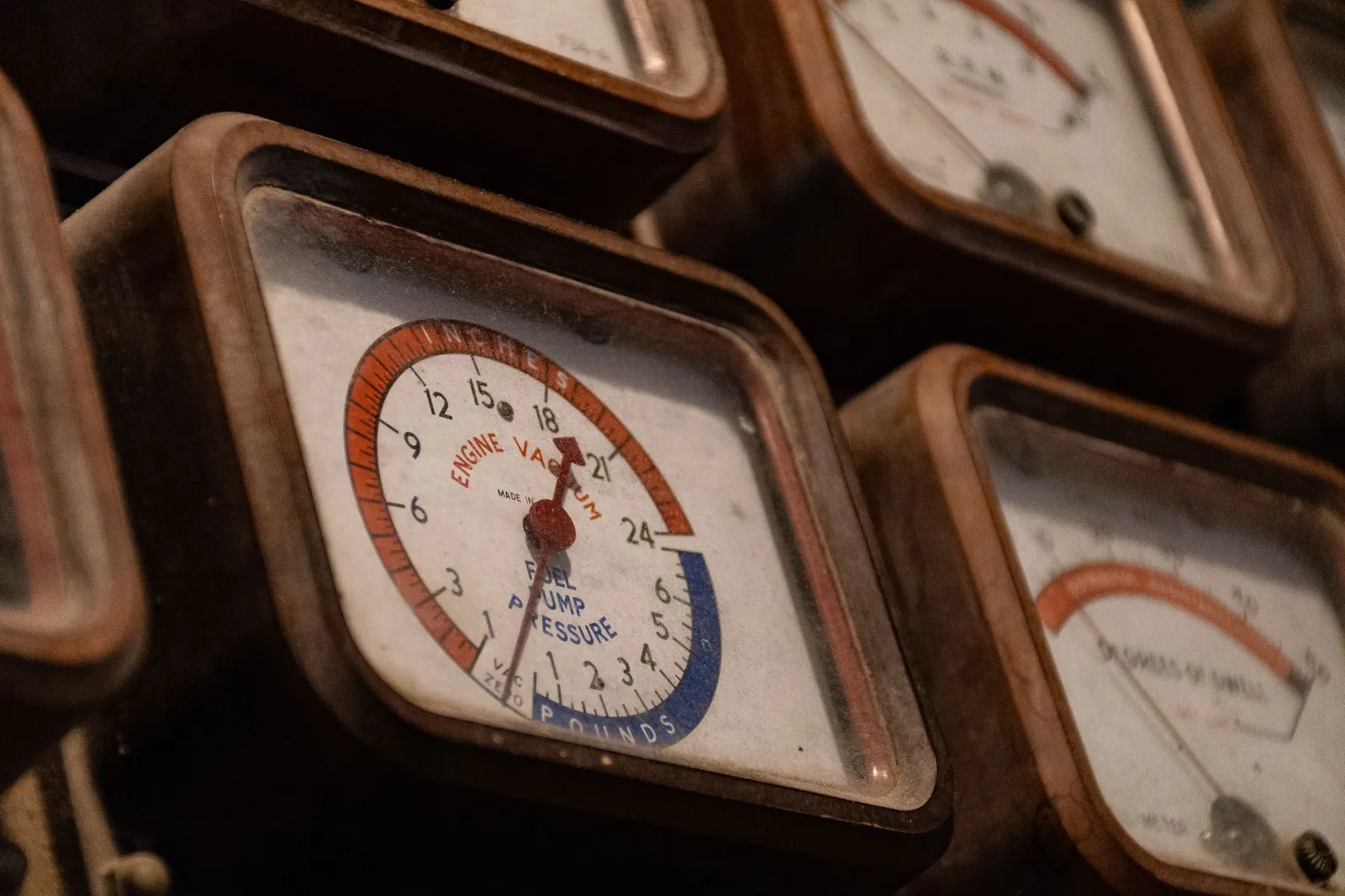
Turn on the motor and monitor the vacuum gauge until it hits your target pressure. Close the isolation valve before turning off the pump to keep your vacuum stable. Failing to close this valve causes oil to backflow into your vessel, which can contaminate your experiment or hardware.
Always let the pump run for at least 5 minutes to remove moisture from the oil. If you’re working in a humid environment, extend this purge time to 15 minutes. This simple habit prevents internal corrosion and ensures the pump maintains its rated capacity for years to come.
The purpose and function of the system
The main reason for using this equipment is to change the state of a closed environment by lowering the density of gas particles. By pulling molecules out of a chamber, a vacuum pump enables processes that can’t occur under normal atmospheric pressure. This technology is vital for removing air bubbles from resin, drying delicate electronics, or creating the sterile, low-pressure conditions needed in food packaging or scientific research.
When you remove air, you change how heat moves and how chemicals react. In a vacuum, water boils at much lower temperatures because there’s less pressure pushing down on the liquid surface. This allows for the drying of heat-sensitive materials without burning them. If you’re degassing epoxy or silicone, a vacuum level of 29 inches of mercury is the standard target to ensure trapped air escapes before the material cures.
Vacuum levels are measured in Pascals, and these systems are graded by how effectively they can reach deep, low-pressure states. A common mistake is assuming that all pumps handle moisture equally. If your process involves water vapor, use a pump with a gas ballast feature. Without this, moisture will condense inside the oil, turning it into a milky sludge that ruins the pump’s internal seals within hours.
If your project involves delicate parts, you must choose a pump that matches the required level of air removal. If you need a light vacuum for degassing, a simple diaphragm pump works well. If you’re doing laboratory work that requires high-purity conditions, you’ll need a multistage rotary vane pump.
Use this rule to guide your selection: if your application involves high-volume gas removal, prioritize flow rate (CFM); if your application requires a deep, final vacuum, prioritize the ultimate pressure rating. This trade-off between power and cost means you should always check the manufacturer’s technical manual for the specific pressure range your application requires before you buy or rent.
When the system requirements change
| Situation | What changes | What to do instead |
|---|---|---|
| High moisture | Oil becomes cloudy | Use a cold trap |
| Very deep vacuum | Standard pumps fail | Add a diffusion pump |
| Large volumes | Pumping speed slows | Use a roots blower |
| Corrosive gases | Internal parts rust | Use chemically resistant pump |
| Small containers | Overheating risk | Use a smaller motor |
If your oil turns milky within 48 hours of operation, you have exceeded the water vapor tolerance of your pump. Don’t simply change the oil, as the internal seals will degrade rapidly. Install a liquid nitrogen cold trap between the chamber and the pump intake to freeze out moisture before it reaches the oil reservoir.
When your process requires pressures below 10⁻³ Torr, a standard rotary vane pump will stall. The oil will backstream into your vacuum chamber, contaminating your samples. In this range, you must switch to a diffusion pump backed by a mechanical pump.
If you’re processing large volumes, the time to reach base pressure often doubles. If the cycle time exceeds 30 minutes, integrate a roots blower to boost volumetric flow. This prevents the primary pump from running at its thermal limit.
For corrosive gases, avoid standard aluminum or steel components. These materials will pit and seize within weeks. If the gas chemistry involves halogens or acidic vapors, specify perfluorinated polyether oil and PTFE-coated internals.
Finally, if you’re cycling small, sealed containers, a large pump will create excessive turbulence. This leads to overheating and motor burnout.
How to operate the equipment properly
Inspect the power cord and plug for any signs of damage or fraying. If the insulation shows even a hairline crack, replace the entire cord immediately to prevent a short circuit.
Place the pump on a flat, stable surface that allows airflow for cooling. A surface tilted more than five degrees causes uneven oil distribution, which leads to premature bearing failure.
Tighten the intake fitting by hand until you feel a firm, secure connection. Don’t use pliers or wrenches, as overtightening cracks the plastic housing and ruins the vacuum seal.
Open the gas ballast valve slightly if you expect water vapor in the line. This prevents condensation from emulsifying the oil, which turns the lubricant milky and destroys the pump’s internal seals.
Start the motor and watch the vacuum gauge to ensure it shows a steady drop. If the needle fluctuates, check the intake gasket for a leak.
Listen for strange grinding noises that indicate a lack of oil or internal debris. If you hear a high-pitched metallic whine, kill the power instantly to avoid seizing the rotor.
Turn off the device by closing the intake valve first to avoid oil backflow. If you skip this step, the vacuum pressure pulls oil into the intake lines, forcing a complete system flush. Always wait for the motor to coast to a full stop before unplugging the unit.
Mistakes that ruin your vacuum
Forgetting to check the oil level before every use can cause the motor to seize and break permanently. If the sight glass shows cloudy or milky oil, the pump has already ingested moisture; drain it immediately to avoid internal corrosion.
Running the pump with a leak in the hose prevents the system from ever reaching a true vacuum. You can identify these leaks by listening for a high-pitched whistling sound or using a soapy water spray on the fittings to watch for bubbles.
Contaminating the oil with liquids or solvents will ruin the pump’s ability to seal properly. If you’re pulling a vacuum on a system that recently held refrigerant or cleaning chemicals, use a dedicated oil mist filter to catch vapors before they reach the pump reservoir.
Ignoring the maximum run time specified in your manual leads to overheating and motor failure. If your pump lacks an internal thermal overload switch, set a physical timer for thirty minutes. Pushing past these thermal limits degrades the internal gaskets, leading to permanent pressure loss.
Frequently asked questions
Can I use a vacuum pump for water?
You can’t pump liquid water directly into a vacuum pump because it will destroy the internal seals and oil. If you need to remove water from a substance, you must place a condenser or cold trap between the vessel and the pump to catch the liquid before it enters the machine.
How long does a vacuum pump last?
A vacuum pump typically lasts between 5,000 and 10,000 hours of operation, but this assumes you follow the manufacturer’s oil change schedule. If you use the pump in a dusty or humid environment, you must check the oil color every 50 hours and replace it if it looks milky or dark to keep the pump running.
Is it safe to leave a pump running?
It’s safe to leave a pump running only if you have a pressure controller or a timer that shuts it off automatically. Leaving a pump on for days without supervision can lead to overheating if the oil levels drop or if the intake becomes blocked by debris during the process.
What happens if the pump gets hot?
The pump will get hot because the motor generates heat during the compression of gas molecules. If the housing is too hot to touch, you should turn it off immediately and check if the cooling fan is blocked by dust or if the ambient temperature of the room is above 95 degrees Fahrenheit.
Does it matter which oil I use?
It matters a great deal because using the wrong viscosity or chemical grade will prevent the pump from reaching its rated vacuum pressure. You must always use the specific oil grade listed on the pump’s data plate or in the user manual to maintain the internal seal integrity.
How do I know if the pump is working?
You know the pump is working by watching the needle on the vacuum gauge drop steadily toward zero. If the gauge doesn’t move, check for leaks, verify that all valves are open, and ensure the pump is functioning correctly.
Conclusion
Proper maintenance of your pump ensures that it will consistently reach the low pressures needed for your work. Always keep the oil clean and check your seals before every use to avoid costly repairs. If you notice the pump failing to reach its target pressure even with no leaks, consult a professional service technician, as they have the tools to inspect the internal valves and vanes safely.