
Yes, a roomba can work on carpet effectively, provided the pile height isn’t too deep for the brushes. Most models are designed to move between hard floors and carpets automatically, adjusting their suction power when they detect a change in surface. If you have high-pile or shag rugs, the robot may struggle to move or its sensors might trigger a “stuck” error. Always check the manufacturer’s specifications for your specific model to see the maximum pile height it supports.
Quick facts for carpet cleaning
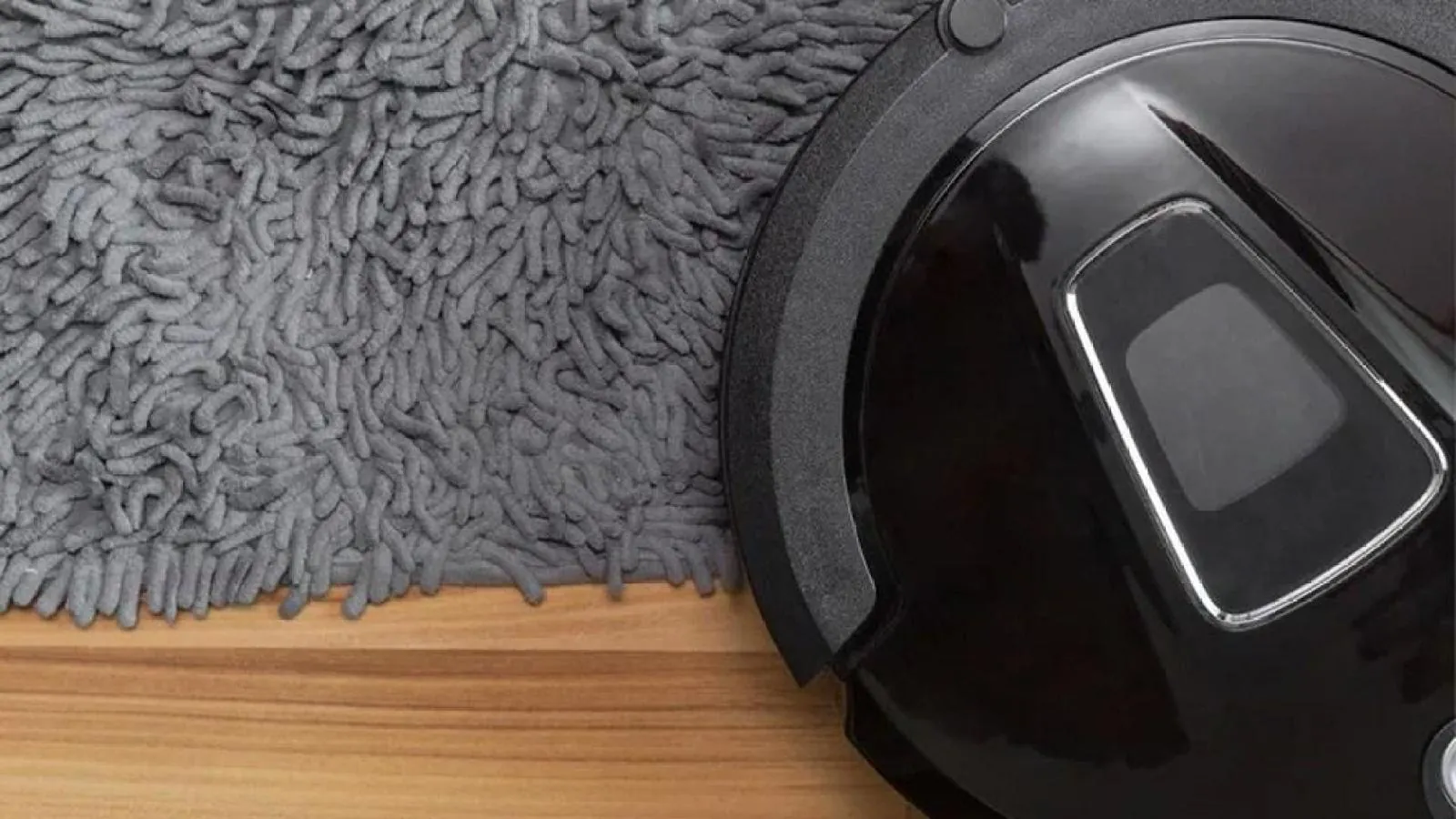
Roomba robots use rubber brushes that pull dirt from carpet fibers without tangling as easily as bristle brushes. These rollers are designed to agitate the pile, loosening embedded grit that standard vacuums often miss.
Models with “Carpet Boost” technology automatically increase suction when they sense resistance from carpet fibers. This sensor-driven power shift ensures deep cleaning only where necessary, which extends battery life during a standard cleaning cycle.
Avoid using these robots on rugs with long, loose tassels. These threads can get caught in the main rollers, stalling the motor and causing the unit to error out. If you must clean near these rugs, use the app to set a “keep-out zone” around the fringe.
If your carpet is thicker than 0.75 inches, the robot may have trouble climbing onto the surface or navigating it. High-pile carpets often trigger the robot’s cliff sensors or cause the wheels to spin in place. If your rug is shaggy, test the robot in a small corner first to ensure it doesn’t get stuck.
Always clear small items like coins, jewelry, or charging cords from the floor before starting. These objects can lodge in the intake or damage the internal vacuum motor, leading to expensive repairs.
If your robot stops mid-cycle, check the debris bin first. A full bin or clogged filter forces the motor to work harder, which can damage the suction fan. Maintenance frequency depends on your specific use; consult your owner’s manual for the official service schedule.
Why roomba performance varies on carpet
The internal mechanism of a robot vacuum relies on a balance between brush height and suction power to clean soft surfaces. Unlike manual vacuums that you push into the carpet, a robot must pull itself onto the rug and maintain enough space for airflow.
If the carpet pile exceeds 0.75 inches, the chassis often bottoms out. This contact lifts the drive wheels just enough to break their grip, causing the robot to spin in place or trigger a cliff sensor error.
Suction is the second piece of the puzzle. As the robot moves from a hard floor to a carpet, the air path becomes restricted by the fibers. Advanced models use acoustic or optical sensors to detect this resistance.
When the sensor identifies a carpet, the motor spins faster to pull out deep-seated dust. If your unit lacks these sensors, it will maintain a constant suction level, which often leads to poor debris pickup on high-pile rugs because the airflow remains too weak to penetrate the dense weave.
The brushes also play a role in how well the machine performs. Older vacuum designs used bristles that often pushed dirt around on dense carpets. Modern units use dual multi-surface rubber brushes that stay in constant contact with the floor. This contact allows the robot to agitate the carpet fibers, loosening dirt so the suction can pull it into the bin.
If the brushes show visible gaps or frayed edges, replace them immediately. A worn brush loses its ability to flick debris into the suction channel, effectively turning your vacuum into a glorified floor sweeper.
Distinguish between loop-pile and cut-pile carpets to gauge your success. Loop-pile rugs, such as Berber, are notorious for snagging rubber brushes. If you see loose threads after a cleaning cycle, stop using the robot on that surface to prevent permanent damage to the carpet weave. Conversely, cut-pile carpets respond well to rubber brushes but require more frequent bin emptying.
If the robot returns to its base with a full bin but a dirty floor, the carpet density is likely overwhelming the suction motor. In this case, schedule two passes per room to ensure the fibers are agitated twice, which compensates for the lower airflow capacity of smaller, battery-powered motors.
When carpet types change the result
| Situation | What changes | What to do instead |
|---|---|---|
| Shag carpets | Wheels get stuck | Use a virtual wall barrier |
| Thick tassels | Brushes get tangled | Tuck tassels under the rug |
| Dark patterns | Sensors see a cliff | Use non-reflective tape |
| Very high pile | Robot can’t move | Use a standard upright vacuum |
| Loose area rugs | Rug bunches up | Use double-sided rug tape |
Steps to clean your carpets correctly
Clear all loose debris and small objects from the carpeted area to ensure the robot moves freely. Small items like coins or hair ties can easily clog the intake, forcing the motor to work harder and reducing cleaning efficiency.
Check that your rug tassels are tucked away or folded under. These are the most common cause of brush jams. If your rug has long, loose fibers, the robot will likely treat them as debris and attempt to pull them into the mechanism, which can fray the edges of your expensive textiles.
Set the robot to its “high suction” or “carpet boost” mode via the app. This increases the motor speed to reach deep into the pile. If your carpet is a high-pile shag, however, turn this feature off. The extra suction can cause the robot to stall by creating a vacuum seal against the floor.
Close doors or use physical barriers to keep the robot away from rugs that are too thick for it to handle. If the robot struggles to climb onto a rug, it’s likely too dense for the wheels to grip. Forcing it to climb repeatedly will strip the gears over time.
Run the robot during the day so you can hear if it struggles on a specific section. A high-pitched whine often signals that the brushes are caught on a stray thread or rug backing.
Empty the dust bin after every cleaning cycle. Carpets trap significantly more particulate matter than hard floors, and a full bin causes the machine to lose suction power halfway through the room.
Inspect the rubber brushes for hair buildup once a week. Use a seam ripper to slice through wound hair, as pulling it can damage the rubber fins. Clean brushes maintain full contact with the fibers, which is the only way to effectively lift embedded dust.
The mistakes that ruin carpet cleaning
Leaving lightweight area rugs down causes the robot to push the rug instead of cleaning it. Anchor these rugs with double-sided carpet tape or low-profile furniture to ensure the wheels maintain traction.
Ignoring the “full bin” light means the robot will continue to move but stop picking up debris. Empty the bin every time the indicator flashes, as a packed filter forces the motor to overheat and shortens the machine’s lifespan.
Running the robot over wet carpet can damage the electrical components and void your warranty. If you have recently shampooed your floors, wait at least 24 hours until the fibers are completely dry to the touch.
Failing to clean the cliff sensors can cause the robot to act erratically on dark or patterned carpets. Wipe these sensors with a dry microfiber cloth once a week to prevent the robot from misinterpreting a black rug pattern as a dangerous ledge.
Most users assume these machines are fully autonomous, but they’re actually semi-supervised tools. If your robot begins spinning in circles or frequently reports an error, check the brush roll for hair tangles before resetting the software. A quick manual inspection saves you from unnecessary repair costs.
Frequently asked questions
Can a roomba clean deep shag carpet?
Roomba vacuums are generally not designed for deep shag carpet because long fibers wrap around the brushes and block the wheels. The robot will likely report an error and stop moving on these surfaces. Check your manual for the maximum pile depth.
How often should I clean the brushes?
You should clean the brushes regularly if you have pets or long hair in your home. These fibers collect on the rollers and reduce the robot’s ability to create a proper seal with the floor. If the robot becomes noisy, remove any tangled debris.
Does it matter if my carpet is dark?
Yes, many robot vacuums have cliff sensors that interpret dark colors as a drop-off. If your carpet is black or has a dark pattern, the robot may refuse to move onto it or spin in circles. This safety feature prevents the unit from falling down stairs.
Is it safe to run a roomba on an expensive rug?
It’s safe to run a Roomba on most rugs, but you should test it on a small, hidden corner first. High-quality or handmade rugs with delicate weaves can be damaged by the constant agitation of the rubber brushes. Always check the rug manufacturer’s care instructions.
Why does my roomba stop on the carpet?
Your Roomba stops on carpet because the motor senses resistance, triggering a safety shutdown to protect the gears. This occurs if the carpet is too thick, the brushes are tangled, or the bin is full. Check the app for an error code to identify the obstruction.
Conclusion
If you’re still unsure about your home’s specific flooring, don’t worry. You can’t go wrong by checking the manufacturer’s website or reaching out to their support team for advice. They’ll help you figure out if your rugs are a good match, so you won’t have to stress about your robot getting stuck.