
To get the best results when using hoover carpet cleaner machines, you should start by vacuuming the area thoroughly and then mixing the cleaning solution with hot tap water according to the bottle’s instructions.
Supplies for your Hoover carpet cleaner
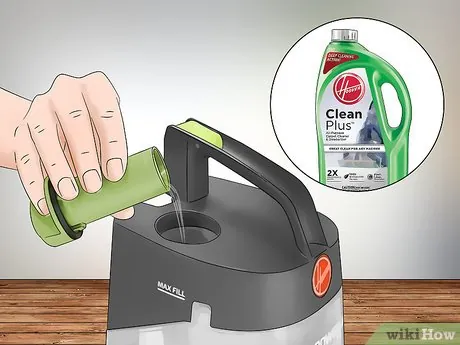
Before you begin, gather these items to ensure the process goes smoothly. Having everything ready prevents you from stopping halfway through the job, which can lead to uneven drying or permanent water spots on your flooring.
A compatible Hoover carpet cleaning solution is mandatory. Check the label for your specific model, as generic soaps create excess foam that clogs internal pumps and causes motor failure. If you’re unsure about compatibility, consult your manual’s specific chemical requirements. Using unauthorized detergents often voids your warranty, leaving you responsible for expensive repairs.
Use a vacuum cleaner with a stiff, rotating brush roll. You must remove all loose debris and pet hair before adding water, or you’ll simply turn dry dirt into deep-seated mud. If the carpet feels gritty after vacuuming, go over it twice more in perpendicular directions.
Keep a bucket for mixing if your machine lacks a built-in measuring cup. Never eyeball the ratio; too much soap leaves a sticky residue that attracts dirt faster than the carpet was before you cleaned it. If the carpet feels tacky under your palm after drying, you used too much product.
Have white microfiber cloths or plain paper towels ready for spot-treating. Avoid colored rags, as the moisture can pull dye from the fabric and stain your carpet fibers permanently. Use these to blot spills immediately before running the machine over them.
Place plastic blocks or aluminum foil squares under the legs of heavy furniture. Wood stains from chair legs will bleed into wet carpet fibers and create dark, circular marks that are nearly impossible to remove later. Keep these items elevated for at least 24 hours until the padding is completely dry.
Finally, position a high-velocity fan to blow across the surface. Proper airflow is the difference between a fresh carpet and a musty smell caused by trapped moisture. If you can’t open windows, run your HVAC system on the fan setting to circulate air throughout the room.
Steps for cleaning your carpets
- Clear the entire room of all furniture, or move items to one side if you’re doing a partial clean.
- Vacuum the carpet twice in different directions to pick up loose dust and pet hair that would otherwise turn into mud when wet.
- Fill the clean water tank with hot tap water up to the fill line, then add the cleaning solution as directed on the bottle.
- Press the trigger on the handle to release the solution while pulling the machine slowly backward over the carpet.
- Release the trigger and push the machine forward over the same path to suck up the excess water.
- Repeat these strokes until the water visible in the nozzle looks clear, which indicates the carpet is rinsed.
- Empty the dirty water tank into a sink or floor drain whenever it reaches the fill line.
- Allow the carpet to air dry for at least 4 to 8 hours before walking on it with clean socks.
Careful: If you pull the machine too fast, the vacuum won’t pull enough moisture out, leaving the carpet soggy. Tip: If your carpet looks very dark after cleaning, you have used too much water; do an extra “dry” pass without the trigger to soak up the liquid.
Adjusting for your specific situation
Different carpet types and stain levels require different approaches to ensure you don’t damage the fibers. Starting with a conservative amount of water is always safer, as you can always go over a spot again if it remains dirty.
| Situation | Time/Effort | What is different | What to watch |
|---|---|---|---|
| Light cleaning | 20 mins | Single pass | Drying time |
| Heavy traffic | 45 mins | Overlapping passes | Soap residue |
| Old pet stains | 60 mins | Pre-treatment | Color fastness |
| High-pile rug | 50 mins | Slower movement | Machine drag |
If you’re dealing with synthetic fibers like nylon or polyester, use a standard detergent. However, if your rug is wool, skip the soap entirely. Using alkaline cleaners on wool will strip the natural oils and cause the fibers to become brittle.
Most people make the mistake of over-saturating the carpet to speed up the process. This mistake often leads to mold growth in the padding beneath the rug. If you press your hand into the carpet and see water pool around your fingers, you have used too much liquid. Use a dry towel to blot the area immediately until no moisture transfers to the fabric.
If the carpet fibers seem stiff after drying, it often means leftover soap is trapped inside. You can fix this by doing a simple rinse pass with only plain water. If the spot remains stiff after a second rinse, the soap concentration was likely too high. Dilute your solution by half for your next attempt.
When cleaning high-pile rugs, move the machine in the direction of the nap. If you move against the grain, the bristles will fray the ends of the fibers. This creates a permanent fuzzy appearance that no amount of cleaning can reverse.
Judging your cleaning results
A successful clean leaves the carpet feeling soft and looking uniform in color, with no visible streaks or dark spots. Run your hand across the fibers; if they feel tacky or stiff, you have left behind a chemical film that will turn into a magnet for household dust.
If you see white or crusty patches, this is a sign of soap residue that wasn’t fully extracted. This happens when you use more detergent than the manufacturer recommends, which attracts more dirt over time. To prevent this, always follow the specific dilution ratio printed on the cleaning solution bottle.
If you’re unsure whether residue remains, perform the towel test. Press a clean, white cotton towel into the damp carpet and stand on it for thirty seconds. If the towel picks up any color or soapy suds, you must perform a second pass with plain water. Skipping this step forces you to rent the machine again within weeks because the trapped soap will cause the carpet to re-soil rapidly.
Safety rules and maintenance
Once finished, rinse the dirty water tank with warm water and leave the machine’s tank caps off to let the internal parts air dry completely for at least twenty-four hours. Never store the machine with water left inside, as this leads to bacterial buildup and unpleasant odors that can permeate your carpets during the next use.
If your machine stops spraying, check the nozzle for debris or ensure the solution tank is clicked firmly into its housing. A common mistake is forcing the tank into place when the seal is misaligned, which causes suction loss and internal leaks. If you hear a high-pitched whistling sound, stop immediately and reseat the tank. This simple check prevents the pump from running dry, which is the most frequent cause of motor failure in residential carpet cleaners.
Alternative cleaning methods
Professional steam cleaning
This uses high-pressure industrial equipment that reaches higher temperatures than home units. It’s much more effective for deep-seated grime and allergens, but it costs significantly more and requires professional scheduling.
Dry powder cleaning
This method uses a specialized absorbent compound that you brush into the carpet and then vacuum away. It’s ideal for delicate rugs that can’t handle water, though it’s less effective for removing heavy, set-in stains.
Spot cleaning by hand
For small spills, use a damp cloth and a mild carpet cleaner to dab the area. This saves time and effort compared to setting up a full machine, but it won’t provide the uniform look of a full-room wash.
Frequently asked questions
Can I use dish soap in my carpet cleaner?
No, you should never use dish soap because it creates excessive suds that can overflow the tank and damage the internal motor. Only use solutions specifically labeled for carpet cleaning machines to ensure the suds remain controlled and the machine functions as intended.
How long does it take for carpet to dry after cleaning?
The carpet usually takes 4 to 8 hours to dry, though this depends on your room’s humidity and airflow. You can speed this up by opening windows, using ceiling fans, or running a dehumidifier in the room during the drying period.
Is it safe to clean wet carpet?
No, you should avoid cleaning carpets that are already soaked from a spill or leak. The machine is designed to remove dirt, but it can’t effectively dry a saturated floor, which may lead to damage to your subfloor or padding.
Why is my carpet cleaner not picking up water?
This usually happens because the dirty water tank is full or the gasket on the tank lid isn’t sealed properly. Check that the tank is snapped into place and that the rubber seal is clean and free of debris.
How often should I clean my carpets?
You should clean high-traffic areas every 6 to 12 months, while less used rooms can go 18 to 24 months. The exact frequency depends on how many people live in your home and if you have pets that track in outside dirt.
What happens if I leave the carpet too wet?
Leaving the carpet too wet can cause the backing to separate or lead to mold growth under the padding. Always prioritize the “dry” passes where you pull the machine backward without pressing the trigger to remove as much moisture as possible.
Conclusion
Regular maintenance of your machine ensures it lasts for many years of household use. Always check the nozzle and brush roll for hair or string after every cleaning session. Clearing these blockages keeps the suction power high and prevents the motor from overheating during your next project.